
Sound in language
Sound plays a central and vital role in children’s language development. As you already know from the previous lesson, before children learn to read and write, they develop their linguistic comprehension through listening, repeating, playing with, and producing sounds. Working with sound in education can therefore support children’s development of both vocabulary, pronunciation and later reading and writing skills.
Sound is the foundation of language
Language consists of sounds, called phonemes, that are put together into words. When children become aware of these sounds, they develop their phonological attention – that is, the ability to hear and work with the smallest units of sound in language. This awareness is an important prerequisite for later reading learning.
In early education, the teacher can support this development by proposing to children’s activities where they
- Listening to different sounds
- Dividing words into syllables
- Recognise beginning sounds
- Playing with rhymes and rhymes
Sound games and linguistic awareness
Sound games are an effective and motivating way to work with the sound side of language. Through play, children can explore language without focusing on right or wrong answers.
Among traditional activities are
- Rhymes and rhythm which help children hear similarities between words.
- Syllables, which help them discover that words are made of smaller parts.
- Listening games in which children listen for specific sounds in words or in the environment
- Audio stories supported by sounds that students make or invent themselves
But we also encourage you to introduce your students to more modern tools.
Digital possibilities with sound
Digital tools provide new opportunities for working with sound in teaching. Students can:
- Record their own voice: Children can become journalists interviewing their peers, teachers or record reportages related to preschool’s life
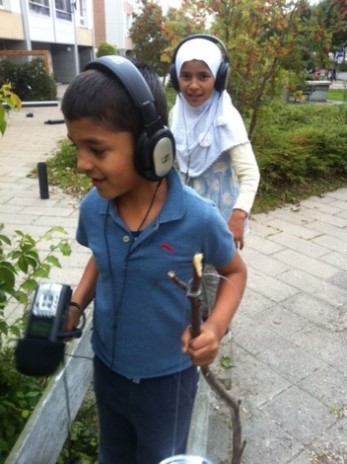
Figure 1 Students recording sounds, Karlebo 2015, Denmark. Photo Ingeborg Okkels, www.lydvaerk.dk
- Experiment with sounds
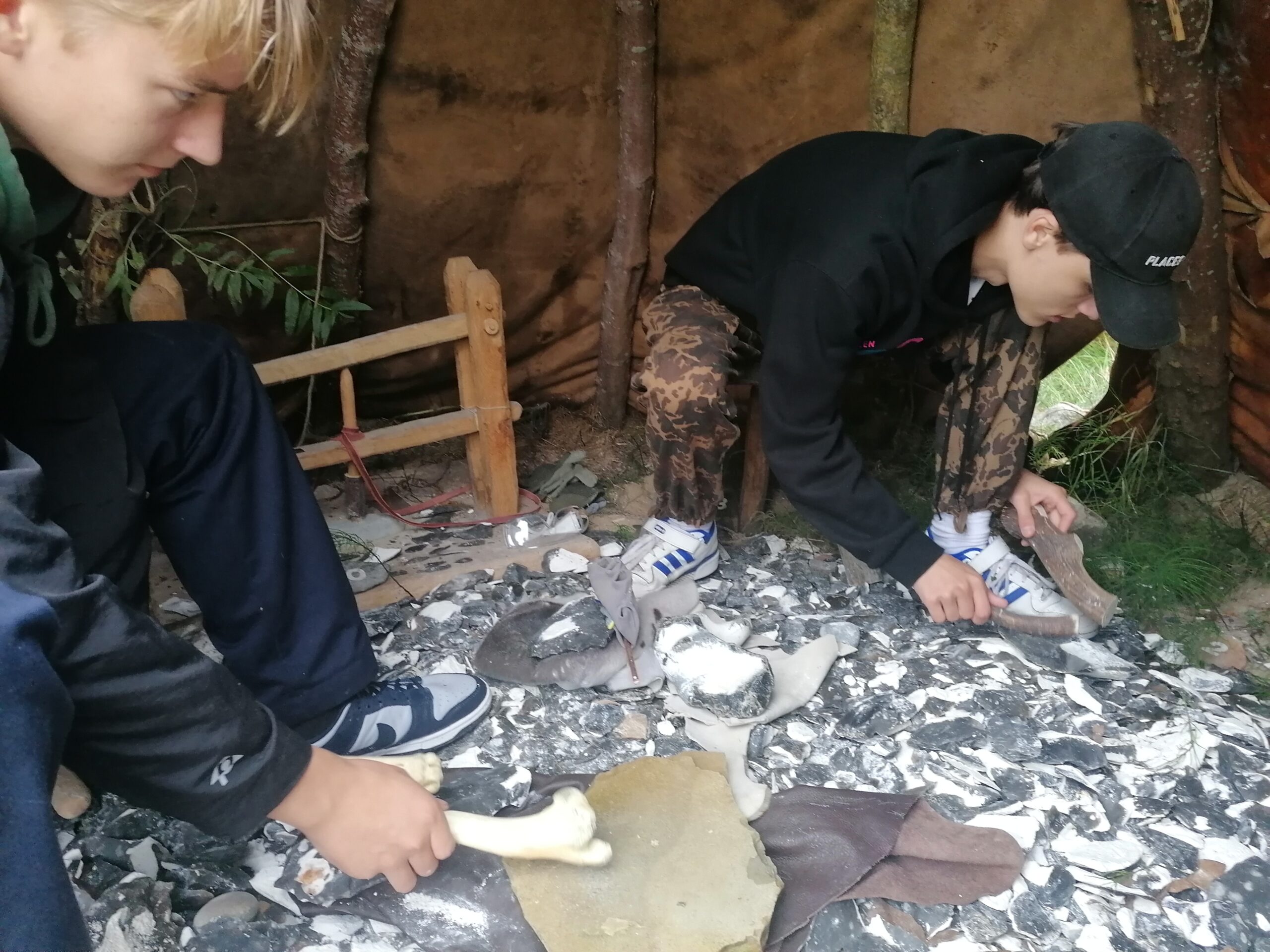
Figure 2 10th graders doing experiments with ancient sounds in this case the lithosphone – the sound of flint. Photo Kim Callesen Vesthimmerlands Museum Denmark
- Create small audio stories or podcasts
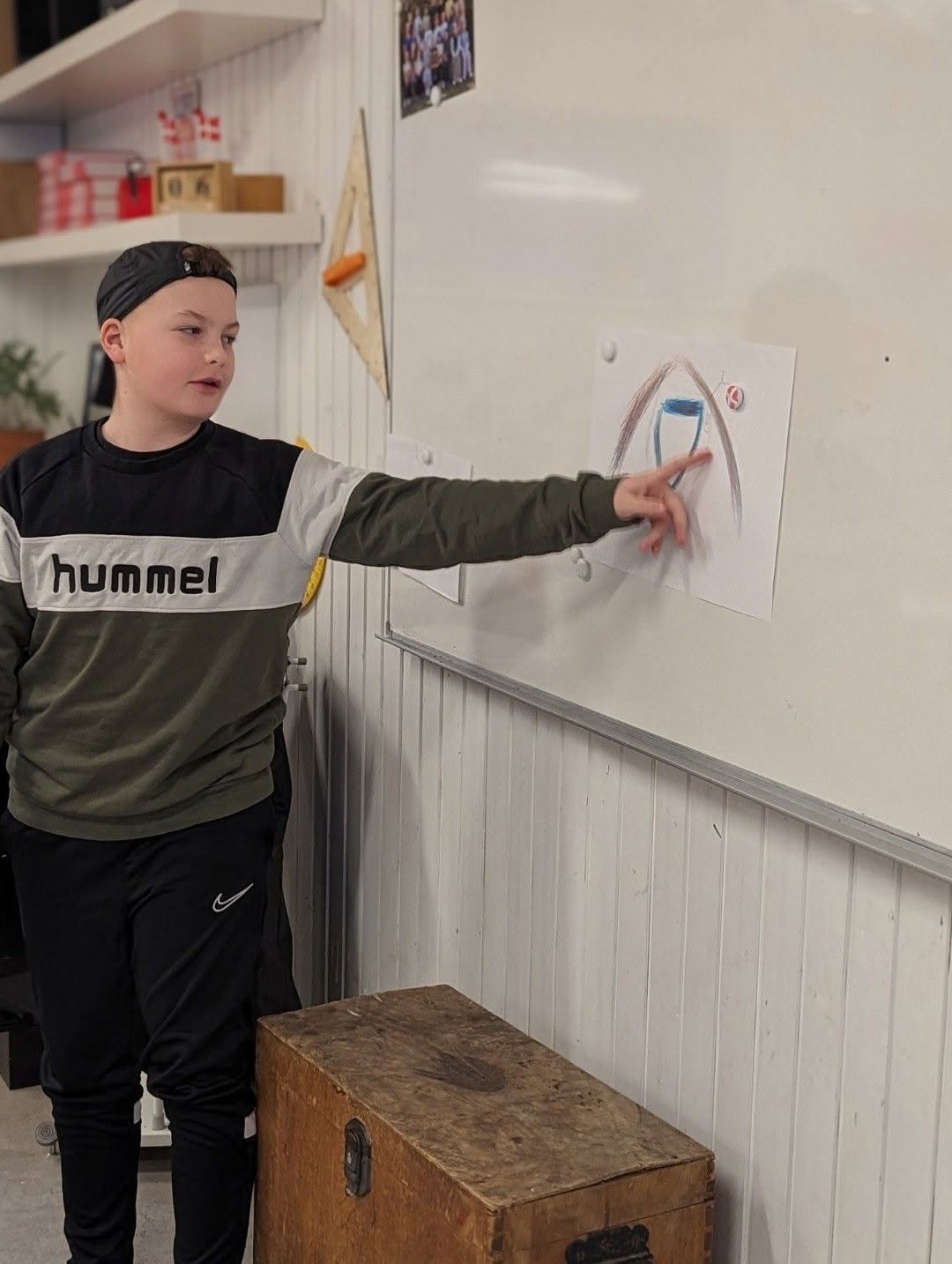
Figure 3 Student illustrating his time machine used in an audiostory from Sound of Stories ” The Sound of the Iron Age”
- Listen to and analyse sound. For example, express the sound graphically, which is called synesthesia or when the senses cross
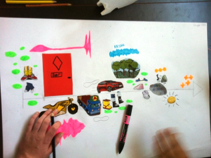
Figure 4 Example of graphical work with soundscape analysis in 6th grade 2015. Photo Ingeborg Okkels www.lydvaerk.dk
When children actively work with sound recordings, they become more aware of pronunciation, tempo, and clarity in the language.
Sound as an inclusive form of learning
Working with sound can also be an inclusive approach to language work. Some students learn best through listening and oral activity, and sound can therefore be a way into the language for students who are not yet strong readers or writers.
By combining sound, play and creativity, the teaching can support all students’ participation and language development.
Key outcomes
- Sound, communication and language are vital to children’s well-being, development, learning and education, both at an early stage and in the long term.
- Using sound in teaching can strengthen inclusion.
- Rhymes and chants strengthen children’s understanding and use of language.
Resources
- Ehri, L. C. (2005). Learning to read words: Theory, findings, and issues. Scientific Studies of Reading, 9(2), 167–188.
- Elbro, C. (2014). Læsning og læseundervisning. København: Gyldendal.
- Lyster, S.-A. H. (2012). Elever med læse- og skrivevansker – hva vet vi? Oslo: Cappelen Damm.
- Snow, C. E., Burns, M. S., & Griffin, P. (1998). Preventing Reading Difficulties in Young Children. Washington, DC: National Academy Press.


