
As you have had your first experiences with sound work, where you may have downloaded sounds or soundscapes from the internet, it will not be unusual if you feel that you are missing that particular sound or soundscape for your students – it is just a sign that you are completely ready to build and record for your very special sound library. You need to start the recording process.
Choice of equipment
It does not require a large investment to get started in the recording process. In principle, you can use your mobile phone and headset. But if you want to work more intensively, record higher-quality audio, and thus achieve a better result, we recommend trying a stereo recorder, which is available from various brands and costs around 100–200 Euros (in Denmark). It provides far more options and a much better quality. If you use a stereo recorder, it is almost as if you enter a new world that can be compared to listening in 3D.
Optional equipment:
You can consider investing in a few extras:
- A wind cap that is placed over the microphone to avoid wind noise, estimated price: from 2.5 Euros to 25 Euros
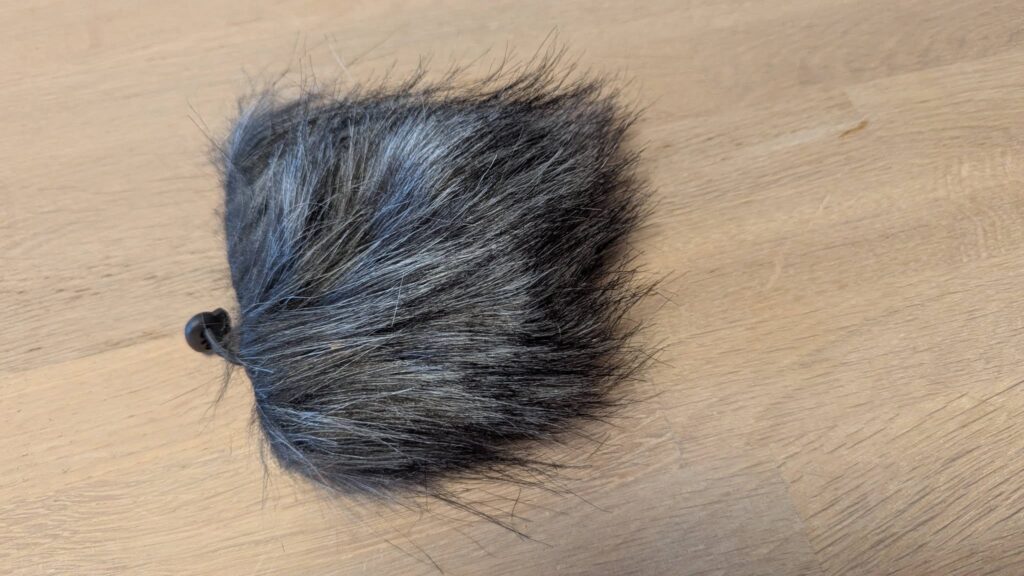
Photo: Vesthimmerlands Museum
- A tripod to mount the stereo microphone on, so there is no noise from the holding hands
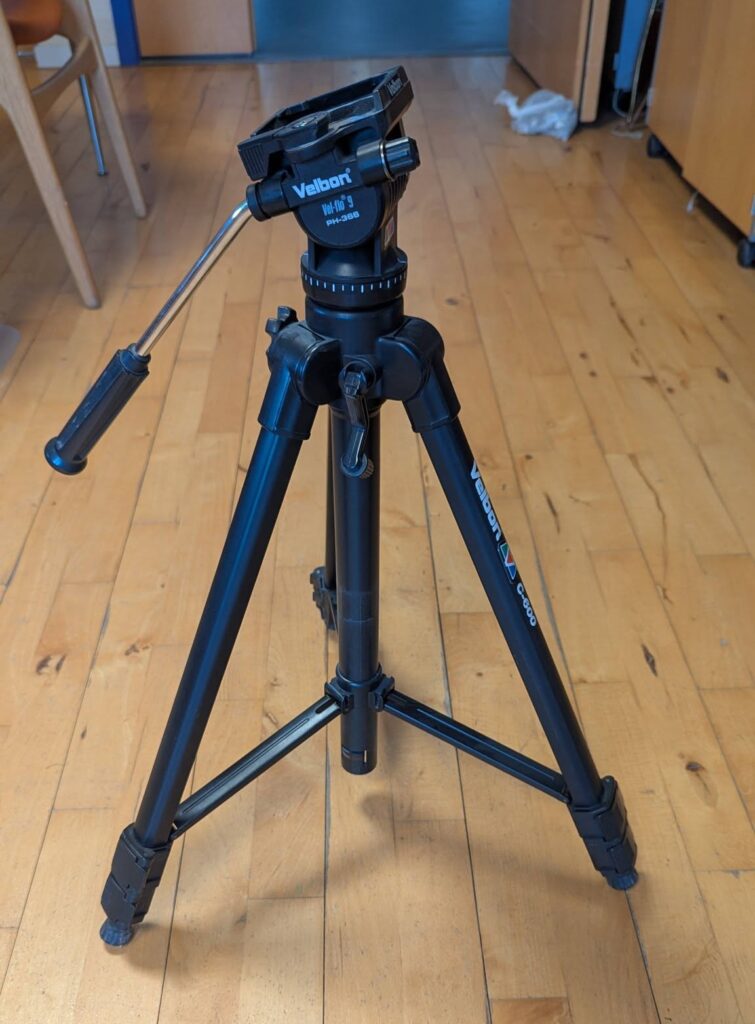
Photo: Vesthimmerlands Museum
- A splitter that allows more people to listen in at the same time
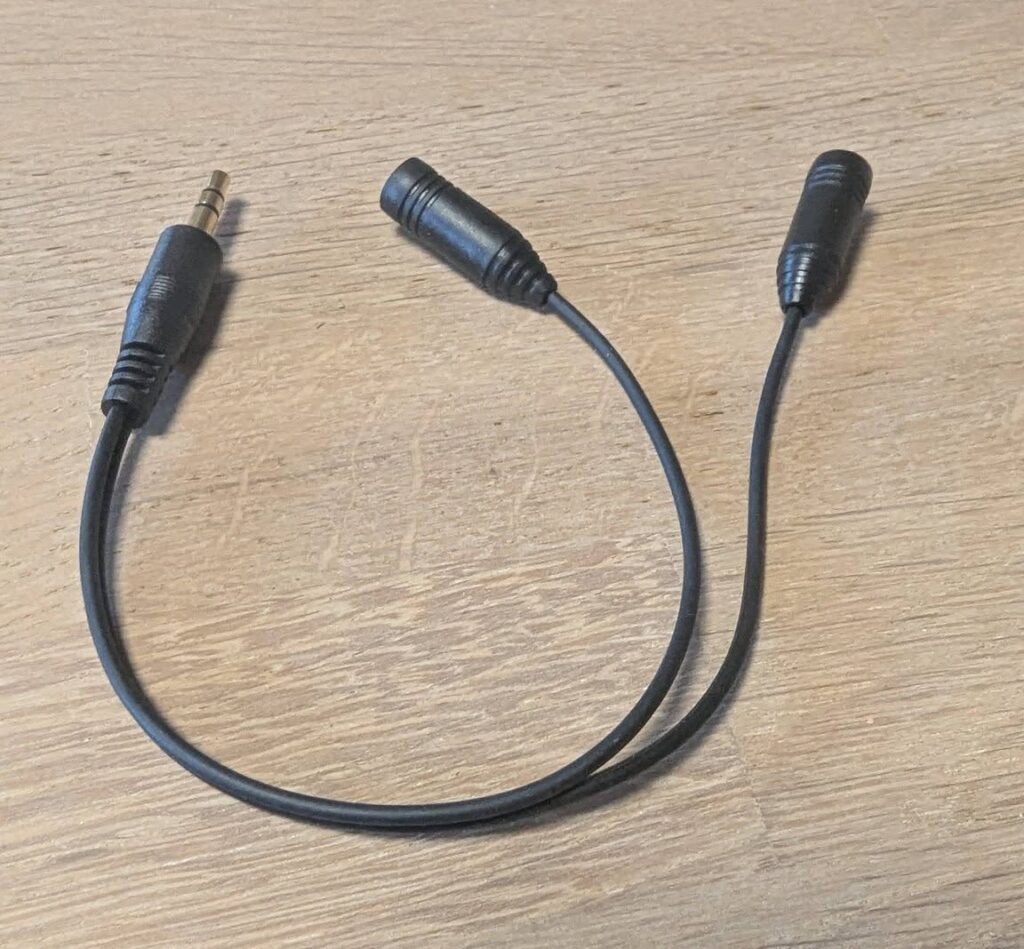
Photo: Vesthimmerlands Museum
- Good quality headsets
- Good quality loudspeakers or a soundbar.
Preparation for the recording
Before you start recording, you must become familiar with the equipment. The time you spend on rehearsals, uploading, and editing is well spent in the long run, as you can avoid having to redo recordings.
What should you record?
Remember to distinguish between single sounds and soundscapes. When you record, you will have the opportunity to adapt the recordings to suit the target group – you know the children. You will be able to consider whether it is new to your students or whether they are more experienced and thus can be challenged more.
Simple Sounds: Consider grouping sounds like transport, domestic animals, kitchen appliances, etc., like the sound of chickens.
Soundscapes: It can be really difficult to know in advance what constitutes a good soundscape. Here again, you must take into account your students’ level when making your admissions decisions. It is difficult to record teaching situation, while a “summer day in the garden” makes much more sense and appeals to the children.
Example of a soundscape from the first edition of Sound of Stories “ At the blacksmith”.
The recording
- Record at a reasonably high volume, about 80% of the total volume capacity
- Record more than needed– so you have something to choose from
- Be critical
- Be careful not to choose overly complex soundscapes for beginners
Students’ audio recordings
Once you and your students are familiar with the sound work, you can consider whether they are ready to try recording. It provides entirely new and highly motivating teaching experiences for both children and teachers.
Key outcomes
- When you record, you create your very personal sound library for your students
- Consider investing in the purchase of a stereo recorder
- There is a difference between recording single sounds and soundscapes
- Be critical of your audio recordings
Resources
- [1] ”Kommunikation og sprog” fra Danmarks Evalueringsinstitut om læreplanstemaer i danske daginstitutioner. (2018-20)
- [1] https://www.laesesporet.dk/lotte-salling-derfor-skal-du-rime-og-remse-med-dit-barn De danske bibliotekers sprog og læsespor Accessed on 25.03.2026


