
Case Study – Sound-based learning as a tool for inclusion of migrants
The following case is an experience gained in the test phase of the pilot project “Sound of Stories”, which is the reason for the Sound of Stories 2.0 version
The sound of Yule
Every year in November and December, magic happens at The Vesthimmerlands Museum, which is invaded by all the world’s elves who move in with furniture, tools, equipment, toys, etc. Therefore, the municipality’s kindergartens and primary school classes from 0 to 3rd level are invited into the museum to help the museum’s staff find out how many elves there are, as well as this year’s riddle from the elves. The 2024 edition had a twist, as we had succeeded in recording sounds from the elves, where we asked the students for help to find out what type of elf lived at the sound.
On their way through the museum, for example, they met this sight:
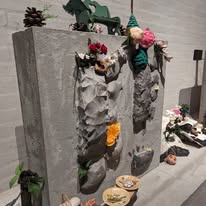
Photo: Vesthimmerlands Museum, Denmark
And we played this recorded sound Havenissen/ bees, birds/garden:
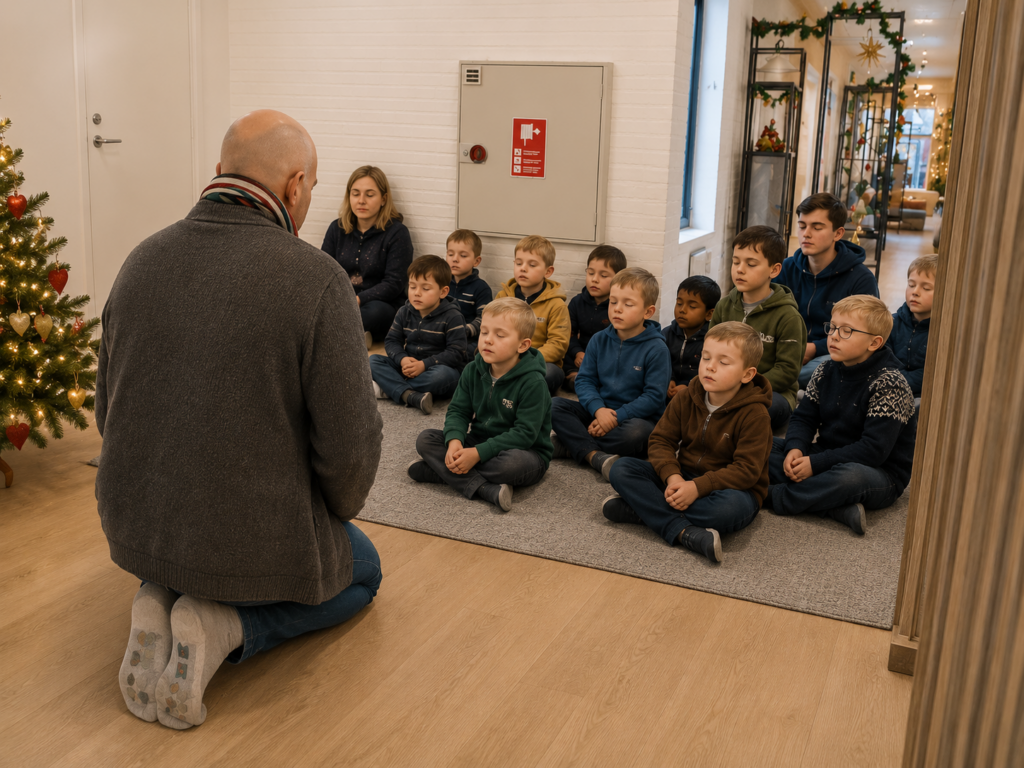
Photo AI Generated: Vesthimmerlands Museum
The reaction
We asked the children to close their eyes and listen to the rather long, 52-second soundscape, and then we asked:
What did you hear? hands flew in the air – keen to answer: Bees, birds, wind…
Due to the war in Ukraine, there are often 2 or 3 Ukranian children in the kindergarten and school classes.
We experienced several times, even though they had hardly learned Danish, they participated eagerly in the teaching, and several times asked each other in Ukrainian… what is the Danish word for this bird….
Or when we asked: where are we? Everyone answered: outside or in the forest… so by combining the display of the elves with sound and open questions, the Ukrainian children were included.
Using sound, open-ended questions that give every student a chance to participate at their level.
The eyeopener
The Sound of Yule was run about 50 times through 4 weeks and visited by 1000 children. It opened our eyes to the potential of using sound, displaying the elves, and open questioning, which allowed the students to participate at their level. Everyone could contribute. It was not only students who had Danish as a foreign language, but also children with diagnoses such as Down’s Syndrome, autism or SLD.
Key outcomes
- There is potential in using sound as an inclusive tool.
- This method is usable in various educational situations.
- The key is a combination of sound and open questioning.
Resources
- ”Kommunikation og sprog” fra Danmarks Evalueringsinstitut om læreplanstemaer i danske daginstitutioner. (2018-20)
- https://www.laesesporet.dk/lotte-salling-derfor-skal-du-rime-og-remse-med-dit-barn De danske bibliotekers sprog og læsespor Accessed on 25.03.2026


