
Introduction
Children begin learning their native language from the very start of life. They do not learn language through formal lessons or grammar exercises. Instead, they learn naturally through listening, watching, playing, and interacting with other people.
From birth, children hear voices, sounds, rhythm, and intonation. They slowly connect sounds with meaning. Over time, they begin to understand words, copy sounds, and use language to communicate.
As a teacher, you play an important role in this process. The way you speak, listen, respond, and interact helps children develop communication skills, confidence, and early literacy.
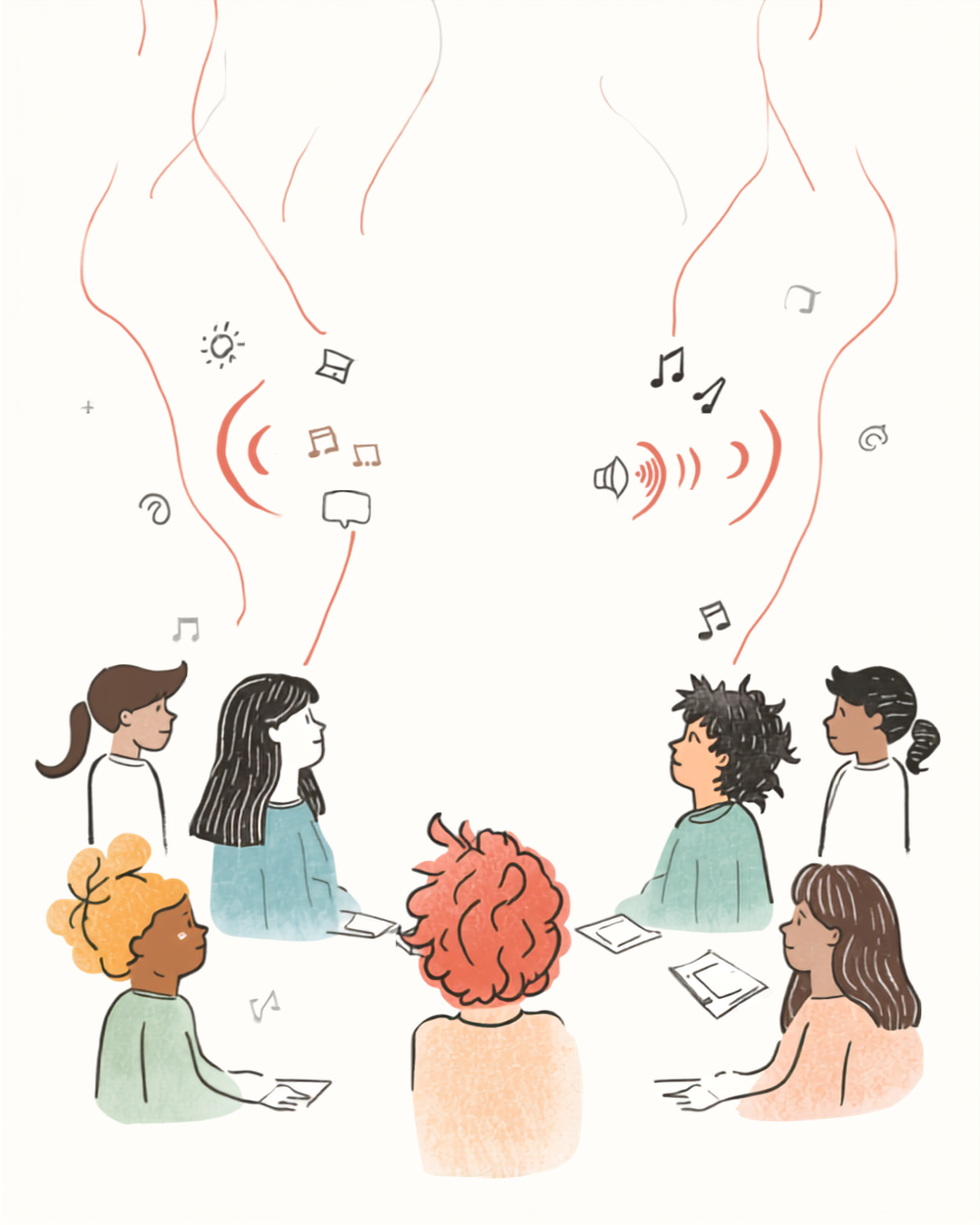
Image generated by AI.
Language Learning Starts Early
Language learning begins long before children say their first words. Even babies listen carefully to the people around them. They recognise familiar voices and react to sounds.
During the first years of life, the brain develops very quickly. Children learn best when they hear language often and in meaningful situations.
For example, a child hears phrases like:
- “Time for lunch.”
- “Where is your teddy?”
- “Let’s put on your shoes.”
At first, children may not understand every word. However, repeated exposure helps them connect language with actions, objects, and feelings.
Children Learn Through Interaction
Children learn language through relationships and communication with other people. Simple daily interactions are very important.
Eye contact, smiling, gestures, and turn-taking help children understand how communication works. When adults respond to children’s sounds, words, or actions, children learn that communication has meaning.
For example:
- A baby points to a ball.
- The adult says, “Yes, that is a ball!”
- The child hears the word connected to the object.
This kind of interaction helps children build vocabulary and confidence.
Listening Comes Before Speaking
Before children can speak clearly, they spend a long time listening. They learn to recognise the sounds, rhythm, stress, and patterns of their native language. During this time, children usually understand many more words than they can say. This is called receptive language.
Later, children begin developing expressive language, which is their ability to communicate using sounds, words, and sentences. This development happens gradually. Children typically begin by babbling, then say single words, followed by two-word phrases, and eventually use longer, more complete sentences to express their thoughts and needs.
For example:
- “Milk.”
- “Mummy, come.”
- “I want the red car.”
Children need time, repetition, and encouragement as they move through these stages of language development. Every child develops at their own pace, but regular interaction with caring adults helps build confidence and communication skills.
Play Supports Language Development
Play is one of the most important ways children develop language and communication skills. During play, children naturally listen, speak, ask questions, express emotions, and interact with other people. Play creates a relaxed and enjoyable environment where language learning happens naturally.
Different types of play support language development in different ways. For example, during pretend play children use imagination and practise new vocabulary. They may pretend to be a doctor, teacher, parent, or shop assistant. While playing, children learn how to form sentences, describe situations, and communicate with others.
For example:
- “The baby is sleeping.”
- “Can I help you?”
- “I need some apples for dinner.”
Games, songs, rhymes, and stories also help children develop listening and speaking skills. Repetition in songs and rhymes helps children remember words, sounds, and sentence patterns.
Play also teaches important communication skills such as:
- taking turns,
- listening to others,
- asking and answering questions,
- sharing ideas,
- and expressing feelings.
Adults play an important role during children’s play. Teachers and parents can support language development by talking with children, asking open questions, introducing new vocabulary, and encouraging conversation.
For example, instead of asking:
- “Is this a car?”
an adult can ask:
- “What is happening with the car?”
- “Where is the car going?”
- “Who is driving it?”
These kinds of questions encourage children to speak more and use language creatively.
Through play, children build confidence, improve vocabulary, and learn that language is useful, meaningful, and enjoyable.
Key outcomes
- Children begin learning their native language from birth through listening, watching, and interacting with others.
- Repeated exposure to words, sounds, and everyday situations helps children connect language with meaning.
- Children develop language through communication, eye contact, gestures, and turn-taking with adults.
- Listening and understanding develop before children begin speaking clearly.
- Play supports vocabulary growth, communication skills, and confidence.
Resources
- UNICEF(2017).Early Childhood Development. Retrieved from UNICEF Official Website
- National Association for the Education of Young Children(2020).Developmentally Appropriate Practice. Retrieved from NAEYC Official Website
- Ewa Słodownik-Rycaj(2001).Gry i zabawy językowe: jak pomagać dziecku w przyswajaniu języka. Warszawa: Żak.
- Barbara Bokus, & Grace Wales Shugar (red.). (2007). Psychologia języka dziecka. Osiągnięcia, nowe perspektywy. Gdańsk: Gdańskie Wydawnictwo Psychologiczne.


