
Case study – The sound of the Iron Age
An interdisciplinary teaching case focusing on sound, history and creative writing was developed for the first edition of Sound of Stories and tested with 3 classes.
Subjects and focus
This case integrates several subjects:
- History – The Scandinavian Iron Age
- Danish – Storytelling and creative writing
- Natural Science (Geo/Bio) – Sounds from nature and surroundings
- Music / Sound – Listening, identifying and working with sound types
Learning objectives
The students will be able to:
- Understand historical periods through audio experiences
- Putting words to objects and environments from the Iron Age
- Writing and developing a creative narrative
- Distinguish and work with:
- Geophony (nature sounds – e.g. wind, water)
- Biophony (animals – e.g., birds)
- Anthropony (human-made sounds – e.g. tools, speech)
👧👦 Target group:
Students’ age 9–12 years
⏱ Time required (approx. 90 minutes)
- Build a Time Machine – 45 min
- Time travel with sound – 30 min
- Rounding up and story – 15 min
The Teaching course
1. Construction of a time machine (Creative + Technology Understanding)
- The students draw their own time machine.
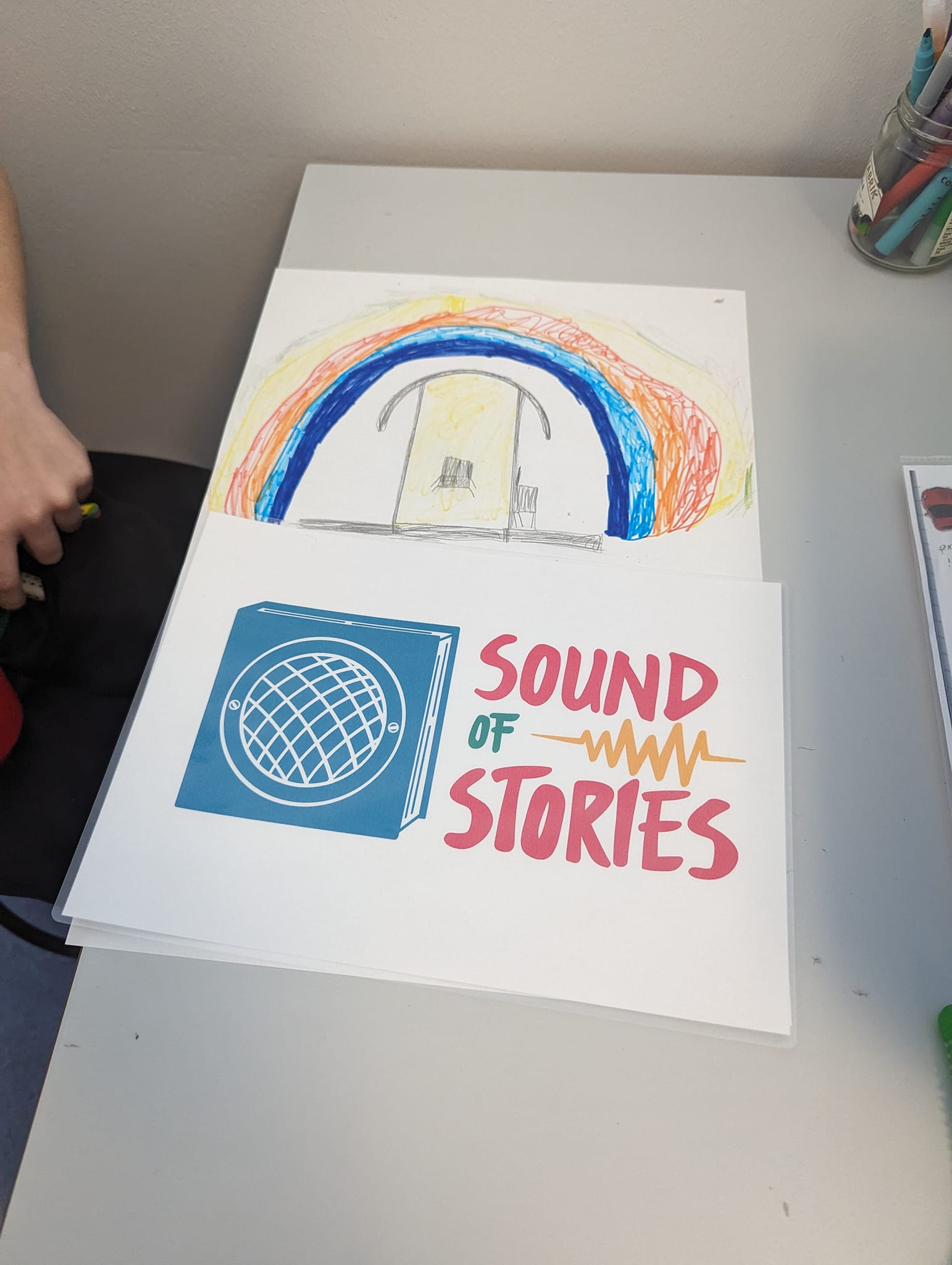
Figure 1 Photo showing the design of a time machine. Photo: Vesthimmerlands Museum
👉 Reflection questions:
- How does it work?
- Do you sit inside it?
- How can you communicate with people from the past?
👉 Interdisciplinary focus:
English (Danish): Description
Nature/technology: Function and construction
2. Time Travel Through Sound (History + Sound Analysis)
The students listen to an audio story from the Iron Age.
Along the way, the sound is paused, and the students are asked:
- What do we hear?
- Where are we?
- Who makes the sound?
- What do you think will happen afterwards?
👉 The teacher writes keywords on the board.
Focus on sound types:
Is it nature, animals or people?
👉 Interdisciplinary focus:
- History: Living conditions in the Iron Age
- Music: Sound understanding
- Natural sciences: Environment and surroundings
Example of a sound of a Celtic war trumpet from the Iron Age.
3. Completion (Danish + Creativity)
The students complete the story:
- Writing an inference or drawing the end of the story
Finally, Students share their stories
👉 Interdisciplinary focus:
Danish: Narrative structure
Creative communication
💡 Extra ideas
- Build a physical model of the time machine
- Record students’ own audio stories
- Create an “Iron Age sound scene” with voices and sounds
- Work with simple audio recordings (e.g. mobile/tablet)
🎓 Didactic perspective:
This case supports:
- Aesthetic learning processes (sound and creativity)
- Exploratory learning (listening and reflection)
- Interdisciplinary understanding (linking history, nature and language)
Key outcomes
- Integration of language, history, science and music through soundscaping
- Creative interdisciplinary teaching with a high level of student involvement
- Use of sound as a tool of motivation.
Resources
- Sound of Stories 2.0, The Sound of the Iron Age: Pedagogical Sequence, accessed 6 July 2026.


